

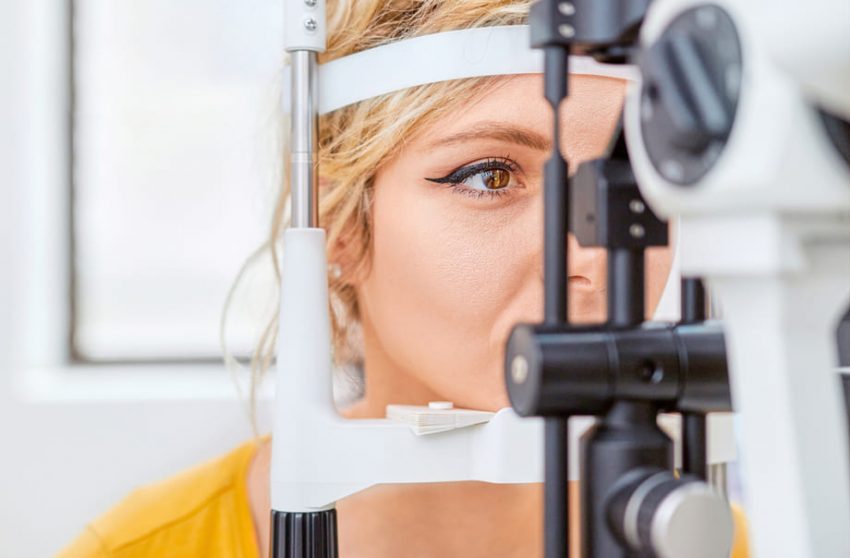
Vi är många där ute som varje dag tvingas att handskas med ett synfel eller en synnedsättning. I dagsläget finns en mängd olika sätt att korrigera sitt synfel på, och vad man väljer att använda sig av är beroende av såväl livsstil som synfel och ekonomiska tillgångar. Vilken metod som är mest passande skiljer från…
Kategori: Blogg
Kemisk peeling för ansiktet
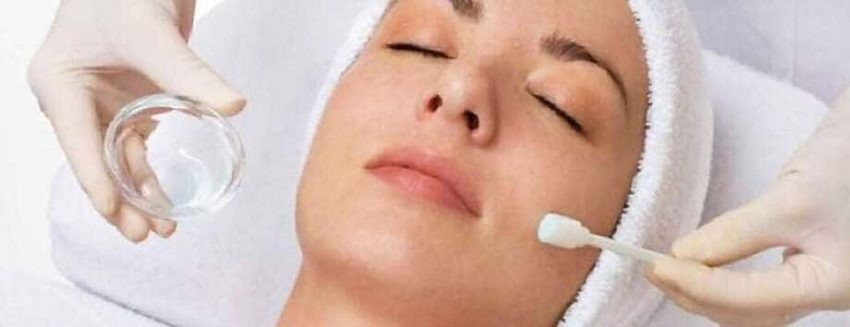
En kemisk peeling är en av de mindre invasiva peelingarna för ansiktet som förbättrar den allmänna texturen och utseendet hos hyn. Kemiska peelingar verkar genom att avlägsna celler i epidermis. De tre vanligaste verksamma kemiska peelings som används är aha-syra, tca och fenolsyra. Dessa kemiska peelings frigör ”limmet” mellan cellerna i epidermis, vilket möjliggör för…

Ångest och nedstämdhet vanliga klimakteriebesvär
Ångest och nedstämdhet under klimakteriet är vanliga symtom och kan vara jobbigt eftersom du kanske aldrig tidigare har lidit av detta. Därför är det viktigt att komma ihåg att detta är naturligt och inte farligt och att det kommer att gå över. Det är hormonerna i kroppen som spökar och symptomen kommer som en reaktion…
Massage – då och nu
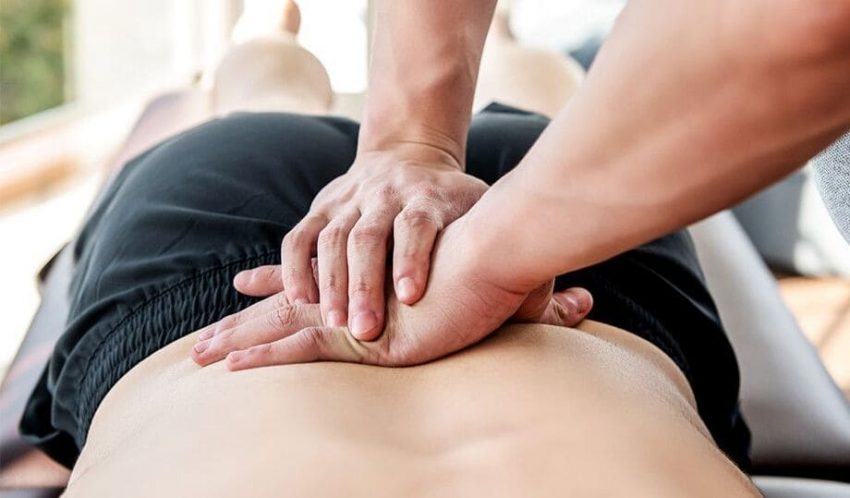
Sedan urminnes tider har människorna masserat och blivit masserade. I början hade man inte den kunskapen som vi besitter idag om vilka effekter massage har på människokroppen, utan då gjorde man det främst för att det var skönt och för att det kändes bra. Idag är dock läget annorlunda, idag har vi näst intill full…
Varför ersätta saknade tänder med tandimplantat?
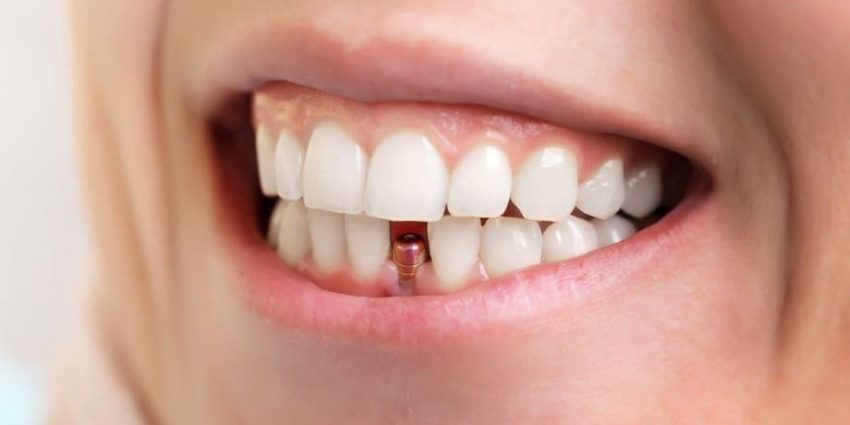
Effekterna av saknade tänder kan vara skadligt för din långsiktiga muntliga och medicinska hälsa. Saknade tänder associeras också med hög ålder och kan göra du ser äldre ut än du är. Att ersätta saknade tänder med tandimplantat kan dramatiskt förbättra ditt leende och formen på ditt ansikte. Detta förbättrar avsevärt både din tandhälsa och självkänsla….
Solenergi till dig – men var försiktig!
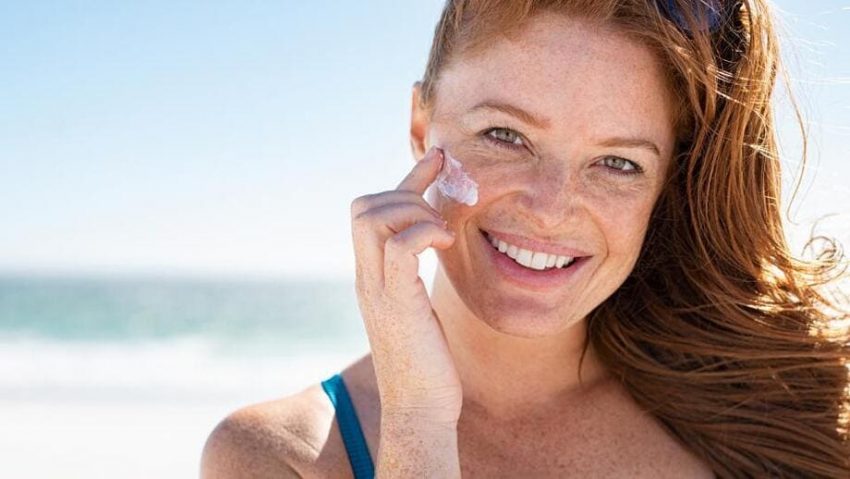
Sommaren och solen är äntligen här och det är dags för sommarlov med allt vad det innebär. Långa lata dagar vid stranden, sköna eftermiddagar på lekplatsen eller sommarläger och hajk i skogen. Att man vill vara ute i det härliga vädret större delen av tiden är närmast en självklarhet, men det är viktigt att ha…
Brasiliansk vaxning hemma
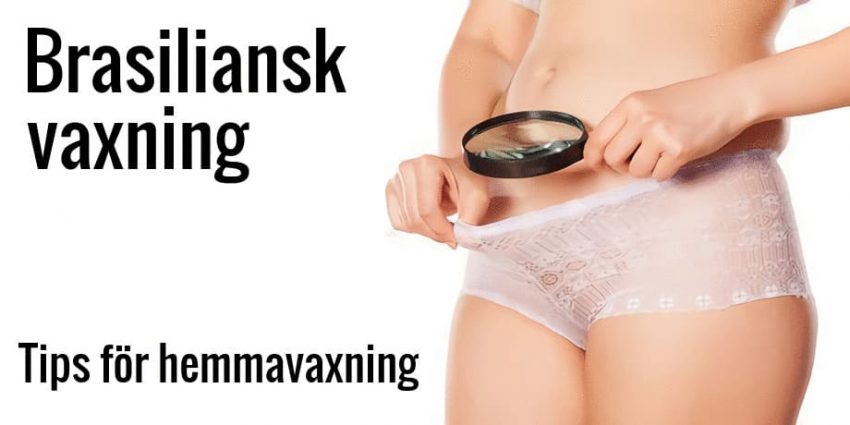
Vem har inte varit med om en gedigen hemmavaxning? En ny produkt skaffas och så värmer man på vaxet enligt instruktionerna för att sedan kleta på detta på den del av kroppen som ska befrias från håren som alltid tycks komma tillbaka. Är man två så kanske man kan hjälpa varandra med de punkter som…
Att göra sin tandblekning hemma – fungerar det?
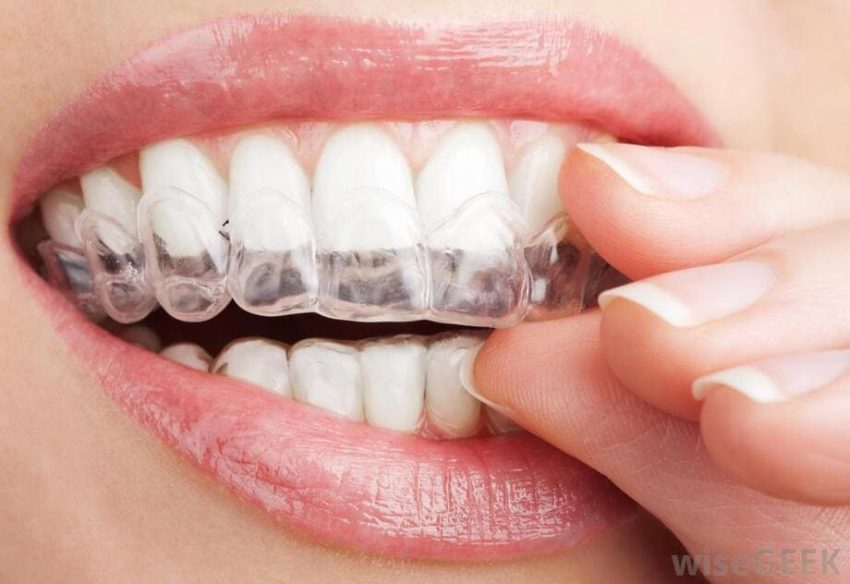
Många frågar sig om det fungerar att bleka tänderna hemma. Många av diskussionerna på Internet handlar om skillnaden mellan att bleka tänderna hemma och att bleka tänderna hos tandläkaren, men även om vilka produkter inom hemma-tandblekning som finns i Sverige. Jag har blekt mina tänder hemma flera gånger, och resultatet blir faktiskt väldigt olika beroende…
Få vackrare hår med ricinolja
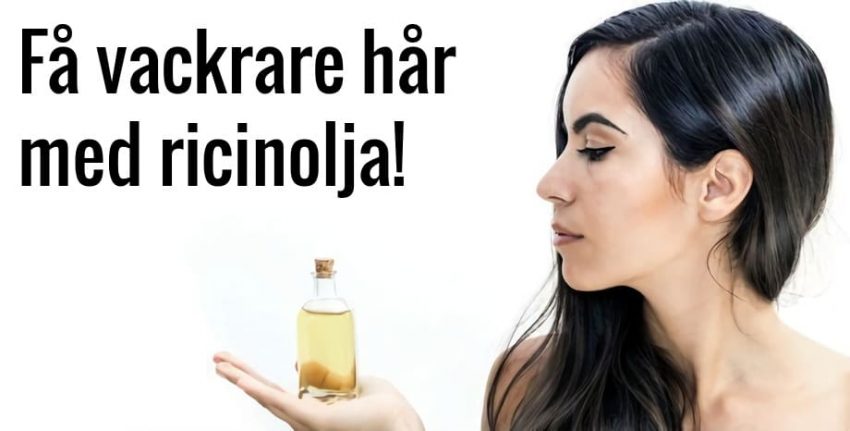
Ricinolja är ett naturligt medel som kan användas i hårbehandlingar för att göra håret fylligare och glansigare. De näringsämnen som finns i ricinolja stimulerar också hårsäckarna vilket gör att håret kan växa snabbare. Denna olja är särskilt användbar om man har skadat hår eftersom den skapar en frisk och mild miljö i hårbotten. Oljan återställer…

Få långt hår snabbt och enkelt med hårförlängningar
Vare sig man ser på TV, läser magasin, bloggar eller skvallertidningar så är det en trend som verkligen är gemensam, både för kändisar och vanliga människor och det är långt hår. Frisyrer med långt hår har totalt tagit över modet de senaste åren och det är nu fler och fler som hakar på den trenden,…